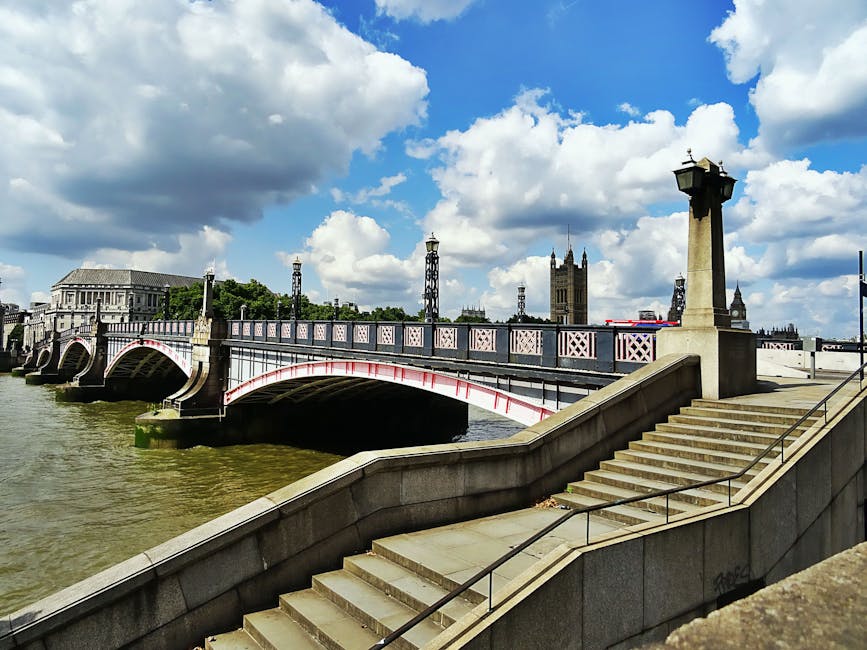
Flat cleaning access issues Lambeth stairs and lifts
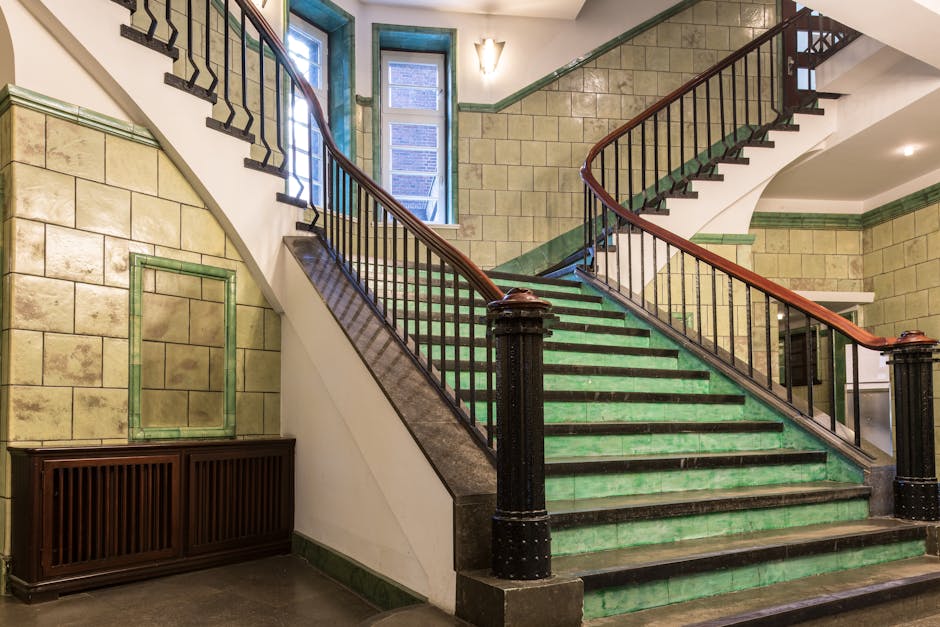
Flat cleaning access issues in Lambeth can turn a straightforward job into a small logistical puzzle. Maybe the building has a narrow stairwell, a temperamental lift, awkward entry codes, or a third-floor flat with no practical parking nearby. Maybe it's all of the above. In Lambeth, where mansion blocks, converted houses, estates, and modern apartments sit side by side, access can matter just as much as the cleaning itself.
This guide explains how flat cleaning access issues Lambeth stairs and lifts affect planning, what a cleaner needs to know in advance, and how to avoid the usual headaches. If you've ever had a cleaner arrive with the wrong assumptions about parking, lift size, or stair access, you'll know why this matters. A little preparation goes a long way, honestly.
- Why access issues matter in Lambeth flats
- How cleaning access is managed in practice
- Key benefits of planning access properly
- Who this is for and when it makes sense
- Step-by-step guidance
- Expert tips for smoother cleaning visits
- Common mistakes to avoid
- Tools, resources and recommendations
- Law, compliance, standards and best practice
- Options and comparison table
- Real-world example
- Practical checklist
- Conclusion
- Frequently asked questions
Why Flat cleaning access issues Lambeth stairs and lifts Matters
Access affects almost every part of a flat clean: arrival time, equipment choice, physical effort, safety, and how much can realistically be done in the booked slot. In Lambeth, that matters because the housing stock is varied. One block may have wide communal corridors and a reliable lift; the next may have a tight staircase, awkward turns, or a lift that barely fits a vacuum and a tote bag.
When access is not clarified in advance, the result is often avoidable friction. The cleaner may need longer setup time, extra carrying time, or a revised scope of work. In some cases, they may need different equipment altogether. That can affect not only speed, but also the quality of the clean. You don't want someone rushing up four flights of stairs already breathless before they've even started.
There's also a customer-experience side to this. Residents, landlords, tenants, and managing agents all benefit from a cleaner visit that feels calm rather than chaotic. A well-planned access arrangement reduces disruption to neighbours, keeps communal spaces tidy, and avoids that slightly awkward moment where everyone is waiting around while someone hunts for a fob.
If you're dealing with a move-out, a deep clean, or a one-off tidy-up before guests arrive, access planning becomes even more important. It is one of those unglamorous details that quietly decides whether the day runs smoothly or not. To be fair, most cleaning problems begin long before the mop comes out.
How Flat cleaning access issues Lambeth stairs and lifts Works
The practical process is simple, but it works best when people are specific. Access planning usually starts with a short conversation about the building itself: floor number, lift availability, stair width, entry instructions, parking, and any restrictions on communal areas. For a cleaner, these details are not trivia. They shape the whole visit.
If there is a lift, the next question is whether it is reliable, large enough for equipment, and permitted for cleaning traffic at the booked time. In some buildings, lifts are shared with residents and can be slow or busy. In others, they may need a key or code. If there are stairs only, it helps to know how many flights there are, whether they are steep, and whether there are bends or narrow landings. That sounds picky, but it really isn't.
In practice, a cleaner may adapt by bringing lighter equipment, planning a different route for carrying supplies, or allowing extra time for setup and packing away. For larger jobs, especially deep cleaning in Lambeth, access planning can influence which rooms are tackled first and how the work is sequenced. If the vacuum has to be carried up three flights twice, you can see why order matters.
It also helps to think about shared spaces. Hallways, stair rails, lift buttons, and entrance mats can quickly become part of the cleaning path. A careful approach keeps these areas respected and avoids leaving dirt trails through the building. Nobody likes a muddy footprint parade at 8am.
Key Benefits and Practical Advantages
Good access planning gives you more than convenience. It creates a cleaner, safer, and more predictable appointment. In flats, especially those in older Lambeth buildings or converted properties, that predictability is a real advantage.
- More accurate scheduling: if the cleaner knows the stair count or lift situation, they can allow the right amount of time.
- Better equipment choices: some jobs need compact tools, extendable handles, or lighter machines.
- Less disruption: clear access reduces noise, repeated trips, and awkward delays in communal areas.
- Lower risk of damage: a narrow stairwell and bulky equipment are not a great match without planning.
- Improved results: when the cleaner is not wrestling with access, they can focus more fully on the actual cleaning.
There is also a trust benefit. When a cleaning service asks sensible access questions, it shows they understand real-world work rather than just taking bookings blindly. That matters if you want reliability. A lot of people notice this only after a bad experience, which is a bit annoying, but there it is.
For landlords and agents, access planning can help turn a rushed end-of-tenancy job into something much more manageable. For busy households, it means less time spent explaining the same instructions twice. For office-like residential blocks or mixed-use buildings, it reduces the risk of conflict with building rules.
Who This Is For and When It Makes Sense
This topic matters to anyone booking flat cleaning in Lambeth, but some groups will feel it more sharply than others.
- Tenants moving out: you may need a full clean under time pressure, often with limited access windows.
- Landlords and letting agents: access needs to be planned around inspections, keys, and turnover deadlines.
- Busy residents: if you work long hours, you want the visit to be efficient and hassle-free.
- Older buildings and conversions: these often have narrow stairs, split levels, or no lift at all.
- New-build blocks: lifts and entry systems can be modern, but also strict, slow, or fob-dependent.
- People booking specialist work: for carpet cleaning in Lambeth or upholstery cleaning in Lambeth, equipment access becomes even more relevant.
It also makes sense if your building has a history of access annoyances. Maybe the lift is regularly out of service. Maybe the concierge only works certain hours. Maybe the front door sticks. These things happen, and usually at the worst possible moment. If that sounds familiar, you already know the value of planning ahead.
Access issues are not a sign that a clean will be difficult. They simply mean the clean should be organised properly. That is a different thing entirely.
Step-by-Step Guidance
Here's the most sensible way to handle flat cleaning access issues in Lambeth when stairs and lifts are involved.
- Describe the building clearly. Say whether it is a purpose-built block, a conversion, an estate flat, or a mansion flat. These details help set expectations.
- Confirm the floor and route. Let the cleaner know how many flights of stairs are involved and whether there is lift access.
- Check entry arrangements. Share fob, buzzer, concierge, key, or timed-entry details in advance.
- Mention parking or loading issues. If parking is tight or restricted, the cleaner may need to plan carrying time carefully.
- Explain building rules. Some blocks restrict noisy work, parking, or lift use during certain hours.
- List the rooms and priorities. If time is tight, decide what matters most: kitchen, bathroom, carpets, or whole-flat refresh.
- Confirm any fragile or heavy items. Large mirrors, awkward furniture, and delicate surfaces may require extra caution.
- Leave access notes where needed. A clear message avoids confusion on the day.
A small detail can save a big headache. For example, saying "there is a lift" is not quite enough if the lift is out of service two days a week, or too small for the equipment. That kind of thing crops up more often than people expect.
When the visit is related to a move, you might also find it helpful to read about end of tenancy cleaning and the practical side of move-out timing. If access and checkout deadlines collide, the day can get messy very quickly.
Expert Tips for Better Results
In our experience, a few small habits make flat cleaning with stairs or lifts much smoother.
- Book the right time of day. Mid-morning or early afternoon can be easier than peak commute hours or school-run times.
- Keep access instructions in one message. Scattered notes are a classic source of confusion.
- Tell the cleaner about lift delays. Even a five-minute wait on every trip adds up.
- Clear the route before the appointment. Shoes, bikes, prams, and shopping bags in hallways can slow everything down.
- Be honest about the amount of work. A "quick clean" and a real post-party clean are not the same thing.
- Use building-friendly cleaning methods. Quiet, compact, and well-managed tools tend to work better in shared blocks.
If you're arranging a larger clean, it may help to review the broader services overview so the work matches the access conditions rather than fighting them. That sounds obvious, but you'd be surprised how often people forget it.
One more thing: if the lift is unreliable, don't wait until the cleaner is already downstairs with equipment to mention it. Say it up front. It saves time, and everyone stays in a better mood. Which, let's face it, helps the whole day.
Common Mistakes to Avoid
Most access problems are not dramatic disasters. They are small oversights that snowball.
- Assuming the lift will be available: lifts go out of service, get reserved, or break down more often than people expect.
- Ignoring stair complexity: "three floors" sounds simple until you add tight corners, heavy doors, or no landing space.
- Forgetting entry instructions: a cleaner outside a locked building is not getting anything done.
- Not mentioning parking restrictions: loading times matter, especially with bulky kit.
- Leaving communal areas cluttered: it slows the job and can create avoidable friction with neighbours.
- Booking too tightly: if access is tricky, a rushed slot is a bad fit.
Another common mistake is treating access as a side issue after the quote is accepted. In reality, it is part of the quote. The more awkward the route, the more important the preparation. It's not fussing; it's just being realistic.
Tools, Resources and Recommendations
You do not need a complicated toolkit to handle access issues well. What you need is a bit of organisation and the right expectations.
- Building access notes: a simple written summary of door codes, fobs, concierge names, and lift instructions.
- Room-by-room priorities: useful if the cleaner has less time than planned.
- Move-in or move-out checklist: helps coordinate cleaning around keys, removals, and inspections.
- Photo references: if helpful, a quick photo of the stairwell or entrance can clarify the layout without a long explanation.
- Service guidance pages: for broader planning, domestic cleaning in Lambeth, house cleaning in Lambeth, and one-off cleaning in Lambeth can help you think about which type of visit fits the property and access conditions.
If your access issue is tied to a specific event, such as moving out after a long tenancy or cleaning up after a busy weekend, related reading can help you shape the job properly. For example, some readers also look at end of tenancy cleaning in Clapham Common or same-day emergency cleaning in Lambeth when time and access are both tight.
Law, Compliance, Standards, or Best Practice
With access-heavy flat cleaning, the main concern is usually not legal complexity, but safe and sensible working practice. In the UK, it is normal for cleaning providers to think about safety, public access, manual handling, and the condition of communal areas. That means stairs should be used carefully, lifts should be respected, and shared spaces should not be blocked or damaged.
Good practice typically includes:
- keeping walkways clear where possible;
- avoiding overloading hands or trolleys with equipment;
- using suitable footwear and safe carrying methods on stairs;
- checking whether the building has any access rules;
- being considerate with noise, timings, and lift use in shared buildings.
If you are a landlord, managing agent, or tenant, it is also sensible to think about how access instructions are recorded and communicated. Clear notes reduce disputes later. If a service is booked through a company, you may also want to review practical information such as insurance and safety, health and safety policy, and the terms and conditions so everyone understands the process.
For anyone concerned about building access affecting special needs or mobility, it is worth remembering that "accessible" and "easy to carry equipment through" are not always the same thing. If that distinction matters to you, check the building carefully and ask direct questions. Direct is good here.
Options, Methods, or Comparison Table
Different access situations call for different approaches. There is no single perfect method, but some are clearly better than others depending on the building.
| Access situation | What it means in practice | Best approach |
|---|---|---|
| Reliable lift, standard entry | Fastest and easiest setup | Standard booking with basic access notes |
| Lift available but small | Some equipment may need to be carried separately | Share dimensions or mention limitations in advance |
| Stairs only, low floor count | Manageable, but setup time increases slightly | Allow extra carrying time and keep tools compact |
| Stairs only, several flights | More physically demanding and slower | Book longer, reduce non-essential equipment, plan the route |
| Shared entrance with strict building rules | Timing and noise become important | Coordinate carefully with concierge or managing agent |
In practice, stairs-only access is not automatically a problem. Plenty of flats in Lambeth are cleaned regularly without issue. The key is matching the job to the route. If the flat is high up and the clean is large, it may simply need more time. Nothing glamorous, just honest planning.
Case Study or Real-World Example
Here's a typical scenario. A tenant in a Lambeth conversion flat books a full clean for moving day. The flat is on the third floor, there is no lift, and the street has limited waiting space. At first, the booking is made in a hurry, with only the postcode and the number of rooms provided.
On the day, the cleaner arrives and discovers a narrow stairwell with two tight turns, plus a front door code that was changed the previous week. Nobody has done anything wrong exactly, but the visit starts with delays, and the schedule is already under pressure.
Now compare that with a better version. The tenant sends the floor number, confirms the stairs-only access, mentions the code change, and flags that parking is limited. The cleaner plans a lighter equipment load, arrives ready to carry tools carefully, and schedules the rooms in a sensible order. The clean still takes work, of course, but it feels controlled rather than frantic.
That is usually the difference access planning makes. Not magic. Just less chaos.
If the job is tied to a tenancy handover, it can also help to look at property buying and move planning in Lambeth or whether Lambeth is ideal for residents if you are comparing building types and access realities over the long term. Different buildings, very different day-to-day experiences.
Practical Checklist
Use this before any flat clean where stairs or lifts may affect access.
- Confirm the full address and flat number.
- State whether the flat is on a lift-served floor or stairs only.
- Explain how many flights of stairs are involved.
- Share door codes, fob instructions, or concierge details.
- Tell the cleaner about parking or loading restrictions.
- Mention any lift limits, outages, or booking rules.
- List the rooms that matter most if time is limited.
- Remove hallway clutter where possible.
- Warn about fragile items or awkward furniture.
- Double-check the appointment window before the day arrives.
If you can answer those ten points, you are already ahead of most rushed bookings. Seriously.
Get a free quote today and see how much you can save.
Conclusion
Flat cleaning access issues in Lambeth are usually manageable, but only when they are treated as part of the job rather than an afterthought. Stairs, lifts, narrow landings, entry systems, and building rules all shape how a cleaning visit should be planned. Once those details are clear, the rest tends to fall into place.
Whether you are a tenant, landlord, managing agent, or just someone trying to keep a busy flat under control, the same rule applies: the cleaner can do a better job when the access is honest, specific, and practical. A little detail now saves a lot of stress later. And that, in a city like London, is worth its weight in gold.
For anyone balancing access, timing, and a busy household, the good news is simple: with the right planning, even tricky flats can be cleaned efficiently and with far less fuss. One careful step at a time.
Frequently Asked Questions
What does flat cleaning access issues Lambeth stairs and lifts usually mean?
It usually refers to the practical problems that affect how a cleaner gets into and moves around a flat in Lambeth, such as stairs, lifts, entry codes, and parking. These details influence timing, equipment, and the overall ease of the visit.
Do I need to mention the lift if my building has one?
Yes, absolutely. It helps to say whether the lift is reliable, shared, small, or sometimes out of service. A lift being present is useful, but it is not the whole story.
Are stairs-only flats difficult to clean?
Not necessarily. Many stairs-only flats are cleaned without any issue at all. The main difference is that the cleaner may need extra time and may bring more compact equipment.
What if the lift is broken on the day of the clean?
Tell the cleaner as soon as possible. If the lift is out of service, they may need to adjust the equipment load, allow more time, or reschedule depending on the size of the job and the floor level.
Should I give access instructions in writing?
Yes, that is usually the safest option. A short written note or message is easier to follow than a memory-based handover, especially when keys, fobs, and codes are involved.
How many details do I actually need to share?
More than most people think, but not a novel. Floor number, lift or stairs, entry method, parking restrictions, and building rules are the main ones. If the access route is unusual, say so plainly.
Can access issues affect the cost of cleaning?
They can, because difficult access may increase setup time or require more labour. It is better to be upfront so the quote reflects the real visit rather than a best-case guess.
What should landlords or agents tell cleaners about access?
They should share all relevant building instructions, the state of the lift, any concierge arrangements, and the current status of keys or codes. Clear handover notes reduce delays and disputes later.
Is it better to book more time for flats with stairs?
Usually yes, especially if the flat is high up, has limited parking, or needs a deeper clean. Extra time gives the cleaner room to work carefully instead of rushing.
What if the building has strict communal rules?
Then it is worth mentioning them before the appointment. Some blocks limit noise, lift use, or working hours. A cleaner who knows the rules can plan around them far more easily.
Where do I start if I'm booking a cleaner for a tricky flat?
Start by describing the building clearly and honestly. Then check the service information, confirm access details, and make sure the booking window gives enough time. If you want a broader overview first, the about us and pricing and quotes pages are useful places to begin.
Is there a best type of cleaning for difficult access flats?
It depends on the flat and the job size. A lighter domestic clean may suit one property, while a deeper or one-off clean may need more time and planning. The best option is the one that matches the building, not just the wish list.