Deep Cleaning in Lambeth for thorough home and workplace refreshes
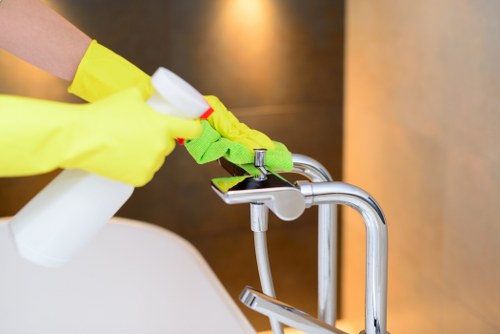
Deep cleaning in Lambeth is a focused service for properties that need more than routine upkeep. It suits kitchens that have collected grease, bathrooms with stubborn build-up, living areas that need detailed attention and workplaces that require a more exacting reset. Our deep cleaning service is designed to address the places everyday cleaning can miss, using a careful top-to-bottom approach that pays attention to edges, fittings, fixtures and other hard-to-reach areas.
For many customers, the value of a deep clean is not just the visible finish but the order it brings to a room. It can help restore a fresher baseline before regular cleaning, moving in or out of a property, or preparing a space after a period when normal maintenance has slipped. We work across the property with a structured method so each area is handled in sequence rather than superficially. If you are comparing options, clear priorities and a practical scope are usually the best place to start.
To talk through what needs attention, you can request a quotation once you are ready. Many people begin by noting the rooms, surfaces and problem areas they want covered, then use that information to decide on the most suitable service level. If you are planning a full refresh, start with the main areas below and use the service pages for a closer look.
Kitchen and bathroom deep cleaning

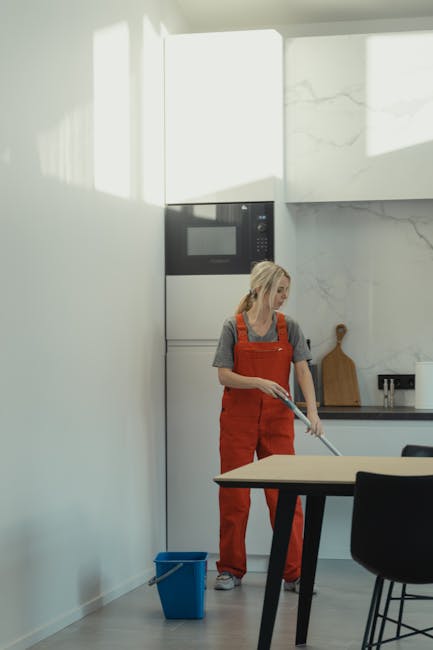
Kitchens and bathrooms often need the most detailed work because they combine moisture, grease, limescale and frequent use. In kitchens, deep cleaning may include careful attention to splashbacks, cupboard exteriors, worktops, sinks, taps, appliance exteriors and other surfaces that show build-up over time. Bathrooms benefit from descaling around fittings, cleaning tiles and grout lines, and giving closer attention to sanitaryware, screens and the areas around basins and toilets where residue can collect.
These rooms also tend to have many small details that change the result. For example, extractor covers, ledges, handles and the outer surfaces of cabinets can look clean at a glance while still holding dust or film. A thorough clean works methodically so those details are not overlooked. Where a customer wants a more specific service, the exact priorities can be set around the room condition, surface type and the level of finish needed.
Our approach is broad enough to cover the common domestic problems while still staying practical. We do not promise a one-size-fits-all result; instead, the work is matched to the room and its condition. For a clearer view of what may be included, use the linked service pages where relevant and then compare the scope with what your property actually needs.
Floors, soft furnishings and high-contact surfaces

Deep cleaning is not limited to polished surfaces or visible dirt. Floors, rugs, sofas and other upholstered items often influence how fresh a room feels, especially where dust, crumbs, pet hair or everyday wear have settled over time. Depending on the surface, cleaning may involve vacuuming, spot attention, fabric-safe methods or more detailed treatment designed to lift general dirt without damaging the material. The aim is to support a cleaner, more comfortable room as a whole.
High-contact surfaces are another important part of a thorough clean. Light switches, bannisters, door handles, skirting boards, frames and similar details can accumulate marks that routine cleaning only partially addresses. By paying attention to these areas, a deep clean can improve the overall finish rather than leaving the room looking uneven. This matters in homes, rented properties and shared spaces where presentation and cleanliness both count.
If the property has a mix of hard floors and soft items, it is sensible to plan the work by surface type. Some materials need more delicate handling, while others respond well to more intensive attention. That balance is easier to manage when the service is set out clearly from the start. If you want the job to cover a specific room set, pricing and quotes can help you shape the request.
One-off cleaning support for busy households and workplaces
Some customers need a one-off cleaning visit because the property has got beyond the point where routine tidying is enough. That might be after a busy period, before visitors arrive or when a room needs a more concentrated reset without committing to an ongoing schedule. One-off work can overlap with deep cleaning, but the emphasis is usually on a single, practical visit that targets the areas most in need of attention.
In a home, that can mean restoring order in multiple rooms, while in a small workplace it may involve shared kitchens, reception areas, meeting rooms or washrooms that must present well for staff and visitors. The key is defining the priorities rather than trying to tackle everything in a vague way. A clear scope helps the cleaning team spend time where it matters most, especially when the property has a mixture of surfaces, furniture and fittings.
When you enquire, it helps to identify the rooms you want included and any surfaces that need extra care. A short list is often enough to begin shaping a quote, and you can then refine the plan if needed. If you are ready to move forward, make sure your request covers the main problem areas so the estimate reflects the real job.
End of tenancy and moving-day deep cleans
A end of tenancy cleaning service is often chosen when a property needs to be handed over in a cleaner, more presentable state at the end of a let. The work usually focuses on the features most closely examined during check-out, such as kitchens, bathrooms, floors, skirting, internal fixtures and cupboard spaces. It can also be useful before a new occupant moves in, when the aim is to give the property a detailed fresh start.
Moving-day cleaning is best planned alongside packing and access arrangements so the work can take place once rooms are clear enough to reach the surfaces properly. The most effective approach is usually a complete but practical one: clean the areas that are visible and the spots that are easy to overlook, while keeping the effort focused on the rooms that matter most for handover or move-in. That may include inside cabinets, around appliances and along edges where dust tends to settle.
For tenants, landlords and letting agents, the important thing is consistency rather than guesswork. A structured clean can reduce the chance of leaving behind obvious build-up, although the exact scope should still reflect the condition of the property. If you need to arrange this type of work, you can contact us and ask for a quotation based on the rooms and surfaces involved.
How the cleaning plan is shaped

Every deep clean is easier to price and carry out when the work is described clearly. The main factors are the size of the property, the number of rooms, the condition of the surfaces and the particular tasks that need attention. A home that needs a light reset will call for a different plan from one with heavy kitchen residue, extensive bathroom limescale or neglected corners throughout several rooms. Clear information helps set realistic expectations for both sides.
Useful details normally include the room list, the type of flooring, any upholstery or rugs to be included, and whether the job should concentrate on particular spaces such as a kitchen, bathroom or living room. It is also helpful to mention if there are delicate surfaces, limited access or items that should not be moved. That does not mean the service becomes complicated; it simply means the quotation can reflect the actual work more accurately.
To keep the process straightforward, many customers prepare two things before they enquire: a brief description of the property and a note of the areas that matter most. That gives enough information for a sensible first response without turning the request into a long exercise. If you want to compare options first, our cleaning company page gives another way to understand the broader service offer alongside the specific deep-cleaning work.
Domestic cleaning, house cleaning and regular upkeep
Deep cleaning is often used alongside domestic cleaning and house cleaning, but the purpose is different. Routine cleaning keeps on top of day-to-day mess, while a deep clean tackles the more detailed work that builds up over time. That can include neglected corners, hidden dust, built-up residue and the areas around fixtures and fittings that do not always form part of a standard weekly visit.
For households, this distinction matters because it helps set the right expectations. Some homes need a regular maintenance visit after a deep clean has reset the space; others just need a single thorough visit now and then. The right choice depends on how the property is used, how many people live there and how much surface wear the rooms show. A good plan will focus on the rooms and features that make the biggest difference to the overall finish.
If you are comparing service types, consider whether you need ongoing upkeep, a detailed reset or a mixture of both. There is no need to choose more service than you will use. The better approach is to identify what your property needs now and build from there. If that sounds like the right next step, home cleaners may be a useful page to review alongside a quotation request.
About Lambeth
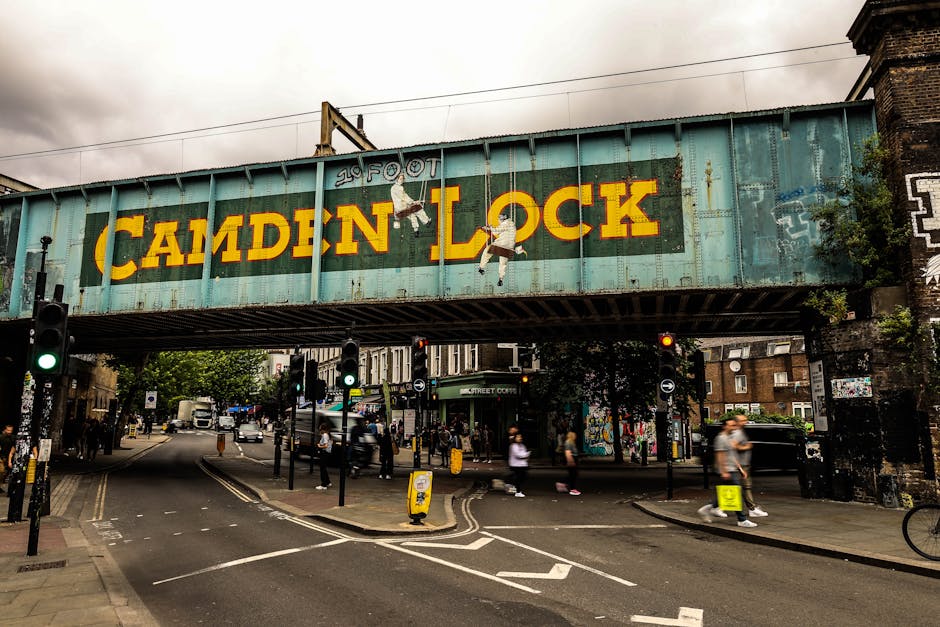
Lambeth is a London borough on the south bank of the Thames, stretching from the river edge at places such as Vauxhall and Lambeth itself down through neighbourhoods including Kennington, Brixton, Streatham, Norwood and parts of Clapham. Its setting gives it a mix of busy urban corridors, long residential streets and open green spaces. The borough includes some of the capital’s best-known transport routes, a dense network of buses and Underground and rail connections, and a pattern of development that reflects many layers of London history. Along the river, the view links older civic and religious landmarks with modern towers, bridges and public spaces. Inland, the borough contains Victorian and Edwardian terraces, post-war estates, conservation areas and lively high streets, so the character changes noticeably from one district to the next. Brixton remains one of Lambeth’s most recognisable centres, known for its markets, music culture and strong identity, while Clapham Common offers a large and well-used green space at the borough’s northern edge. Streatham’s long main road, the slopes around Norwood, and the historic associations of the Lambeth and Kennington areas all add to the sense of a borough that has grown through distinct settlements rather than a single uniform centre. Cultural life is supported by theatres, community venues, independent shops and a mix of worship, education and leisure buildings spread across the area. The result is a place that feels both intensely local and unmistakably part of central London’s wider pattern, with a landscape shaped by the river, by transport, by residential growth and by the everyday movement of people through its streets.
When describing a place like Lambeth, it is worth remembering how varied it is within a relatively compact area. The riverfront around Vauxhall and Lambeth differs sharply from the tree-lined residential streets of Clapham, the busy commercial core of Brixton or the quieter stretches further south. Some parts sit close to major landmarks and transport interchanges, while others feel more suburban in layout and pace. That contrast is one reason the borough has such a distinct identity: it combines local neighbourhood life with strong connections to the rest of London, and it does so through a built environment that ranges from historic parish centres to modern apartment blocks and civic buildings.
Its parks and open spaces are a major part of that identity too, with Clapham Common, Brockwell Park and other smaller green sites providing relief from the density of the surrounding streets. The river edge adds another layer, linking Lambeth to Westminster, South Bank and the wider Thames corridor. Taken together, these features make Lambeth a borough of movement, contrast and long-established communities rather than a single commercial district.
Oven, carpet and upholstery care

Some deep-cleaning jobs are best extended into specialist treatments for the items that hold the most grease, dust or everyday wear. oven cleaning is a good example, because cooking residue can be difficult to remove with general cleaning alone and may need focused attention on trays, shelves, liners and internal surfaces. A separate specialist clean can make the rest of the kitchen easier to maintain and improve the overall finish of the room.
Similarly, carpet cleaning, rug cleaning, sofa cleaning and upholstery cleaning are useful when fabric surfaces need more than vacuuming. These services can address the dust, marks and general wear that settle into fibres over time. Choosing the right treatment depends on the material, the type of staining and the condition of the item, so it is sensible to match the task to the surface instead of treating every fabric in the same way.
If your property needs several of these tasks at once, a combined plan can be easier than booking each item separately. That is especially true in kitchens and living rooms, where appliances, floors and soft furnishings all influence the final result. Match the service to the surface, then ask for a quotation that reflects the full scope rather than only the most visible part of the job.
Office and after-builders deep cleaning
Deep cleaning is not only for homes. Offices benefit from detailed cleaning in kitchens, washrooms, meeting rooms and shared circulation areas, especially where many people use the same touchpoints every day. office cleaning and office cleaners are relevant when the aim is a tidy, professional workplace that supports staff and visitors. A thorough clean can focus on desks, floors, skirting, glass, communal areas and the fixtures that show dirt more quickly in busy environments.
Another useful specialist area is after-builders cleaning, which is designed for the dust and debris left behind once building or refurbishment work has finished. That stage often requires careful removal of fine dust from surfaces, ledges, fittings and floors before the property is ready for normal use. It is a practical choice where standard cleaning would not be sufficient because construction residue can spread to many parts of the room.
Where a workplace or recently improved property needs a closer finish, it is usually best to set out the expected condition and the rooms involved in advance. This helps determine whether the priority is dust removal, surface detailing or a wider reset of the space. If you want to take the next step, use the service pages to narrow down the scope and then make your enquiry when you are ready.