Commercial office cleaning Vauxhall Lambeth SW8
Posted on 08/05/2026
Commercial office cleaning Vauxhall Lambeth SW8: a practical guide for busy workplaces
If you run a workplace in or around Vauxhall, Lambeth, SW8, you already know how quickly an office can start to look tired. Foot traffic brings in dust, kitchen areas get sticky, meeting rooms collect fingerprints, and bins somehow fill up faster than anyone expects. That is exactly where Commercial office cleaning Vauxhall Lambeth SW8 matters: not just for appearances, but for hygiene, morale, and the everyday impression your business gives to staff, clients, and visitors.
This guide breaks down what office cleaning really involves, how the service works, who needs it, and what to look for when choosing a provider. It also covers practical steps, common mistakes, compliance points, and a simple checklist you can use straight away. If you are comparing options, you may also find it useful to explore the broader office cleaning service in Lambeth and the company's services overview for a wider view of what is available.
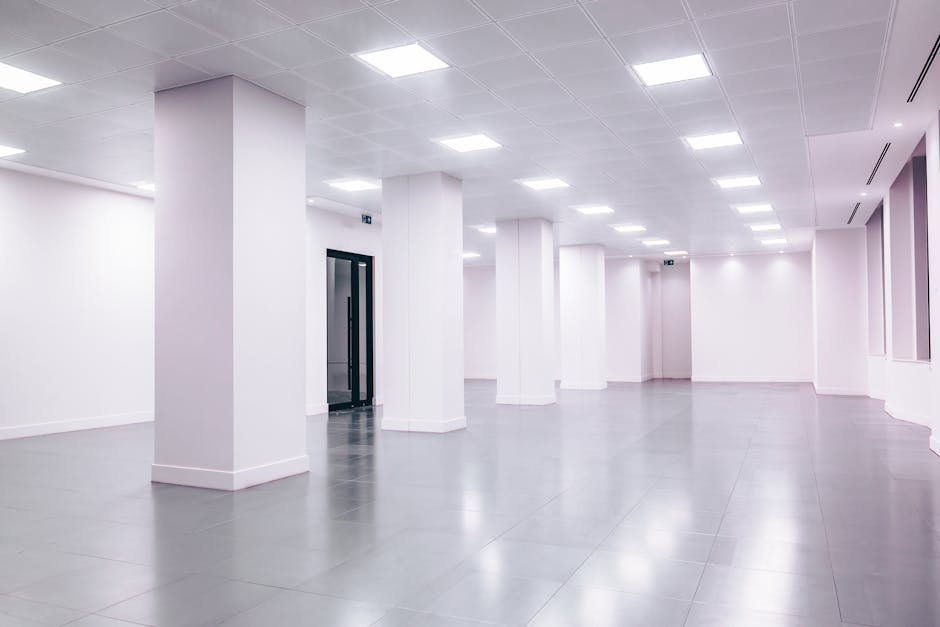
Why Commercial office cleaning Vauxhall Lambeth SW8 Matters
Office cleaning sounds simple on the surface. Wipe down desks, empty bins, vacuum floors, done. In practice, it is a lot more layered than that. A commercial office has different cleaning pressures from a home, and in a busy London area like Vauxhall and Lambeth, those pressures stack up quickly. Shared entrances, lift buttons, communal kitchens, busy reception areas, high turnover of visitors, and the usual London dust all combine to make consistency essential.
To be fair, many businesses only notice the problem when something has already gone wrong. A client spots a dusty meeting room table. Staff complain that the kitchen smells off by midweek. Someone spills coffee near a power point and leaves it because no one is quite sure whose job it is. Little things. But they add up.
Regular cleaning is about more than tidiness. It supports:
- a professional first impression
- a more comfortable working environment
- better upkeep of surfaces, carpets, and fixtures
- lower day-to-day clutter and irritation for staff
- clearer expectations around hygiene in shared spaces
In a location like SW8, where office buildings may sit beside residential blocks, transport links, and mixed-use properties, the standard can't be left to chance. A good cleaning routine keeps your workplace looking cared for rather than patched together. That matters whether you are a small team in a converted unit or managing several floors in a larger commercial space.
If you are also thinking about property upkeep in the area, the local context is worth a look. The Lambeth suburb guide gives a useful sense of the area, while the is Lambeth ideal for residents? article highlights why local services often need to be reliable, flexible, and genuinely responsive.
How Commercial office cleaning Vauxhall Lambeth SW8 Works
Most office cleaning services start with a walkthrough or assessment. That can be formal or fairly quick depending on the size of the premises, but the point is the same: the cleaner needs to understand what kind of space they are dealing with. A single-floor office with a kitchenette and one toilet has very different needs from a multi-room business suite with carpets, reception areas, and shared meeting rooms.
From there, the cleaning plan is usually built around frequency, priorities, and access. Some offices want daily cleaning. Others want two or three visits a week. A few only need one-off deep cleaning after a move, refurbishment, or busy period. The plan should be based on how the workplace is used, not just a generic checklist. That part gets overlooked surprisingly often.
A proper commercial office clean often includes:
- vacuuming and floor care
- dusting of desks, ledges, skirting, and touch points
- bin emptying and waste handling
- kitchen and breakroom cleaning
- toilet and washroom sanitising
- surface cleaning for desks, tables, and shared equipment
- spot cleaning of glass and internal doors
Some businesses also ask for deep cleaning in Lambeth when the office needs a more thorough reset, especially after building works, staff turnover, or a long period of lighter maintenance. Others combine office care with carpet cleaning or upholstery cleaning for fabric chairs and reception seating that have lost their freshness a bit. Happens all the time, honestly.
The best operators build around access needs, security procedures, and building rules. In commercial premises, that can mean sign-in systems, alarm codes, key handling, time windows outside business hours, and a clear list of what can and cannot be touched on a desk. If your team leaves laptops, paperwork, or sensitive documents out, that needs to be managed carefully. Cleaners should not be guessing.
Key Benefits and Practical Advantages
The obvious benefit is a cleaner office. The real value goes deeper.
1. A better impression for clients and partners
When someone walks into a well-kept office, they notice. Not consciously at first perhaps, but the effect is there. Clean glass, tidy floors, fresh-smelling kitchens, and hygienic washrooms send a message that your business pays attention to detail.
2. A more workable day for staff
People work better in spaces that feel cared for. It is difficult to focus when a sink is full of mugs, the bin is overflowing, or the carpet has a mystery patch that no one wants to talk about. A clean office makes the day feel smoother. Small thing, big difference.
3. Reduced wear and tear
Dust, grit, and spill residue can shorten the life of floors, desks, and fixtures. Regular cleaning protects surfaces, especially in busy spaces where items get used constantly.
4. Better hygiene in shared areas
Tea points, handles, switches, shared keyboards, toilet areas, and meeting rooms all deserve more attention than they usually get. Targeted cleaning helps keep those spaces more sanitary, especially during busy weeks.
5. Less internal admin for your team
When cleaning is clearly outsourced and scheduled, staff are less likely to spend time arguing over who should clean the microwave. That alone is worth something. Truth be told, it saves a lot of low-grade frustration.
6. A more consistent standard
In-house cleaning done ad hoc can be patchy. A professional routine gives you a repeatable standard, so you are not relying on whoever happens to be around at 5pm on a Friday.
Practical takeaway: office cleaning is not just a maintenance task. Done properly, it supports how your business looks, feels, and functions day to day.
Who This Is For and When It Makes Sense
This service suits a wide range of businesses. If your workplace is occupied, visited, or used regularly, there is a strong case for professional support. The most common users are:
- small offices with limited internal facilities
- shared workspaces and managed suites
- professional practices such as accountants, consultants, or legal offices
- creative studios and agencies
- clinics and appointment-based businesses where presentation matters
- start-ups that want a polished workplace without hiring full-time cleaning staff
- property managers overseeing commercial units in the area
It also makes sense if your current setup is only just coping. Maybe the cleaner comes irregularly. Maybe staff are handling basics between visits, and it's getting messy. Maybe you have grown faster than your original arrangement. That happens more than people admit.
For businesses moving into the area or reviewing whether Lambeth suits them commercially, it can help to look at the wider setting too. The Lambeth property investment guide and the Lambeth property buying guide both give a broader sense of the local commercial and residential landscape.
If your office has carpets, soft seating, or a mix of hard floors and fabric finishes, you may also need complementary services. In those cases, a combined plan with spring cleaning in Lambeth or a targeted one-off clean can be useful before moving onto a regular schedule.
Step-by-Step Guidance
If you are setting up office cleaning for the first time, or resetting an underperforming arrangement, a straightforward process helps. No drama needed.
- Walk the premises properly. Note the reception, workstations, toilets, kitchen area, corridors, storage, and any sensitive rooms. What looks small on paper often turns out to be the area people complain about most.
- List priorities by frequency. Daily touch points are different from weekly tasks. For example, bins and kitchens usually need more frequent attention than skirting boards or high-level dusting.
- Decide what must happen outside working hours. Some offices prefer evening cleaning to avoid interruptions. Others want early-morning attendance. Match the schedule to your workflow.
- Clarify access and security. Who holds keys? What are the alarm rules? Which cupboards are off-limits? Write it down. It saves awkwardness later.
- Set quality expectations. Define what "clean" means in your space. A quick wipe is not the same as hygienic cleaning. Be specific.
- Review after the first few visits. The first weeks are where most small issues show up. Adjust the plan early rather than letting them turn into habits.
One useful trick: walk the space at the same time each week, if you can. Late afternoon on a Thursday tells you a lot. That's when reality tends to show up, muddy footprints and all.
Expert Tips for Better Results
After working around offices for a while, a few patterns become obvious. The best results usually come from clarity, not complexity.
Keep high-touch points on a fixed rota
Door handles, light switches, fridge doors, lift buttons, taps, shared keyboards, and toilet flush controls should not be left to chance. Even if the rest of the office is fairly quiet, these areas need a routine.
Separate daily cleaning from periodic deep cleaning
Day-to-day tasks keep the office presentable. Deep cleaning tackles the build-up that standard visits do not fully remove. That distinction is useful because otherwise everything gets bundled into one vague job, and standards slip.
Do not ignore the kitchen
A well-run office can still feel grubby if the tea point is neglected. Fridge handles, sink rims, microwave splatters, crumbs in drawers, and the odd sticky patch on the counter are all tiny signals. People notice them. Every time.
Use a cleaning plan that reflects occupancy
Busy customer-facing offices need a different rhythm from quieter back-office spaces. A space with 20 people coming and going all day is not the same as a two-person consultancy. Seems obvious, yet it gets missed.
Ask how changeovers are handled
If staff work flexible hours, there will be weeks when access changes at short notice. A good cleaning arrangement can cope with this without becoming chaotic. Flexibility matters in London offices more than people expect.
If your workplace also has soft furnishings, specialist care may help preserve them. In that case, the team's about us page is useful for understanding approach and values, while the insurance and safety information is worth reviewing before inviting anyone into sensitive premises.

Common Mistakes to Avoid
Most office cleaning problems come from the same handful of mistakes. Avoid these and you are already ahead.
- Choosing only on price. The cheapest quote can look attractive until standards dip or communication becomes patchy.
- Not defining the scope. If you do not specify what is included, assumptions creep in. That is where disappointment starts.
- Forgetting the communal areas. Reception, kitchens, corridors, and toilets shape the whole impression of the office.
- Leaving clutter everywhere. Cleaners can work around some mess, but they should not be expected to reorganise an entire workstation jungle.
- Skipping regular reviews. Even a good arrangement needs checking. A quick monthly review avoids bigger problems later.
- Ignoring fabric and carpet care. Once marks settle in, they are harder to shift. Prevention is easier than rescue work, always.
A small but common issue is unclear responsibility. Staff assume the cleaner will do everything. The cleaner assumes desks are clear. The office manager assumes someone else raised the issue. And round it goes. A simple written scope usually sorts that out.
Tools, Resources and Recommendations
Good office cleaning relies on the right tools, but not necessarily fancy ones. In most commercial environments, the basics matter most:
- commercial vacuum cleaners with appropriate attachments
- microfibre cloths for dusting and surface care
- colour-coded cleaning materials for hygiene separation
- neutral or surface-specific detergents
- glass and stainless-steel cleaners for visible finishes
- mops, buckets, and floor-safe solutions matched to the surface
- PPE where required for hygiene or safety tasks
For a broader understanding of what a full service provider can support, it is worth browsing the pricing and quotes page so you can see how enquiries are typically handled. If you are comparing service levels, the health and safety policy is also a sensible read, especially for offices with formal building procedures.
If you manage a mixed portfolio, or your premises change shape through the year, you may need a blend of services rather than one fixed package. For example, a light weekly office clean plus a seasonal deep clean often works better than trying to squeeze everything into one visit. Simple, but effective.
Law, Compliance, Standards, or Best Practice
Commercial cleaning touches on hygiene, safety, and access, so compliance and best practice matter. This is not about making office cleaning complicated. It is about not cutting corners where risk exists.
In the UK, businesses generally have duties around maintaining a safe workplace and managing hazards sensibly. The exact obligations depend on the premises and the activity, so it is wise to treat this as practical guidance rather than legal advice. Where cleaning involves slips, chemicals, electrical equipment, sharps, or waste handling, a careful process is essential.
Best practice usually includes:
- clear cleaning schedules and task logs
- safe storage and labelling of cleaning products
- appropriate training for operatives
- risk awareness around wet floors and trip hazards
- respect for privacy and confidential material in office spaces
- insurance and safety checks for contractors
If your office handles sensitive material, it is sensible to brief cleaners on what they must not move, photograph, or dispose of. That sounds obvious, but in real buildings with real people rushing around, clarity is priceless.
For peace of mind, review the provider's trust pages as well. The modern slavery statement, terms and conditions, privacy policy, and complaints procedure can tell you a lot about how seriously the business treats accountability and customer care.
Options, Methods, or Comparison Table
Different offices need different approaches. Below is a simple comparison to help you decide what fits best.
| Option | Best for | Strengths | Trade-offs |
|---|---|---|---|
| Daily office cleaning | Busy workplaces, client-facing offices, shared spaces | Consistent presentation, strong hygiene, fewer build-ups | Higher ongoing cost than occasional visits |
| Weekly cleaning | Smaller teams or lower-footfall offices | Good value, manageable routine | May not be enough for busy kitchens or washrooms |
| One-off deep cleaning | Moves, resets, post-refurbishment, seasonal refreshes | Thorough, targeted, useful for problem areas | Not a substitute for ongoing maintenance |
| Hybrid plan | Most growing businesses | Flexible, cost-aware, tailored to real usage | Needs a clear scope and periodic review |
In many offices, a hybrid plan is the sweet spot. A regular clean keeps the place respectable, and occasional deeper work handles the detail. If carpets are a pain point, you can combine that with dedicated carpet cleaning in Lambeth when the flooring starts to look dull or carry odours.
Case Study or Real-World Example
Here is a realistic example from a typical SW8 office setup.
A small professional services team moved into a bright office near a busy transport route. At first, they assumed a weekly tidy would be enough. But within a month, the reception area was collecting dust, the kitchen started to feel grubby by Thursday, and the meeting room table never seemed to stay clean for long. Nothing dramatic. Just enough to become irritating.
They switched to a plan with regular attention to shared areas, bins, kitchen touch points, and floors, plus a deeper periodic clean for carpets and soft seating. The result was not flashy, but it was noticeable. Staff stopped mentioning the kitchen. Visitors came in to a fresher-smelling reception. The office felt calmer. Not perfect, just properly looked after.
That sort of change is common. The biggest improvement usually comes from consistency, not heroic one-off effort. A clean office is less about sparkle and more about rhythm.
If you are just getting started, pairing a regular office clean with an occasional one-off cleaning service can be a smart way to reset the space before settling into a routine.
Practical Checklist
Use this checklist before you book or review an office cleaning arrangement:
- Have you listed all rooms and shared areas that need attention?
- Do you know which tasks are daily, weekly, or occasional?
- Are access details, alarms, and key handling written down?
- Have you confirmed whether cleaning happens before, during, or after office hours?
- Is there a clear process for washrooms, kitchens, and waste removal?
- Do you need carpet or upholstery care as part of the plan?
- Have you checked insurance, safety, and trust information?
- Is there someone in your team who will review quality regularly?
- Have you agreed how issues or special requests should be reported?
- Do you know what is excluded so there are no surprises later?
One last useful check: look at your office at the end of a normal day, not after a tidy-up. That is the honest version.
Get a free quote today and see how much you can save.
Conclusion
Commercial office cleaning in Vauxhall, Lambeth, SW8 is not just about keeping dust off surfaces. It is about running a workplace that feels credible, comfortable, and easy to use. In a busy part of London, where people come and go constantly and standards are visible the moment someone walks through the door, a reliable cleaning plan makes a real difference.
The best approach is usually the simplest one: define what matters, match the schedule to the actual use of the office, and keep reviewing it before little issues grow teeth. If you do that, your cleaning arrangement stops being another admin headache and starts doing its job properly in the background.
And that, really, is the point. A good office should let people get on with their work without thinking about the mop, the bins, or the sticky patch near the kettle.



.jpg)