Post renovation cleaning The Oval Lambeth SE11
Posted on 24/05/2026
Post renovation cleaning The Oval Lambeth SE11: a practical guide to getting your property truly finished
If you have just wrapped up a refurbishment near The Oval, you'll know the feeling: the new space looks brilliant from a distance, but somehow there is still a film of dust on every surface, a few stubborn marks on the skirting boards, and that fine grit in places you swear nobody even touched. That is exactly where Post renovation cleaning The Oval Lambeth SE11 becomes essential. It is not just a quick tidy-up after builders leave. It is the detailed, methodical clean that turns a project site back into a home, office, or rental property people can actually enjoy.
In this guide, we'll break down what post-renovation cleaning involves, why it matters in a local SE11 setting, how the process works, what results to expect, and the common mistakes that can undo hours of good work. We'll also cover practical steps, a realistic checklist, and a few judgement calls that make the difference between "mostly clean" and properly ready to use. To be fair, that difference is often bigger than people expect.

Why Post renovation cleaning The Oval Lambeth SE11 Matters
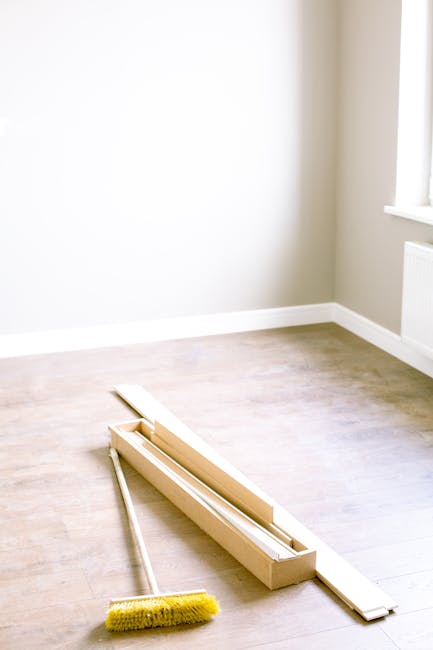
Renovation work creates a very specific kind of mess. It is not the same as normal household dirt, and it does not respond well to a casual once-over with a cloth. Fine plaster dust gets into corners, paint flecks cling to trim, adhesive residue lands on glass, and construction debris seems to travel far beyond the room where the work actually happened. If you have ever opened a cupboard after a refit and found a chalky layer inside, you'll know what I mean.
In The Oval and the wider Lambeth SE11 area, properties are often a mix of period homes, apartments, and commercial spaces that have been upgraded, extended, or refreshed for modern use. That means finishes can vary a lot. You may have brand-new hardwood floors in one room, heritage mouldings in another, and a fresh kitchen install with delicate appliances in the middle. Post-renovation cleaning has to respect all of that.
There is also a practical reason beyond appearances. Dust left behind after building work can affect air quality, make surfaces look dull, and even interfere with paint curing or silicone finishing. A newly decorated room can look tired very quickly if the fine residue is not removed properly. And if you are handing a property over, showing it to buyers, or moving tenants in, first impressions count. A lot.
For people planning broader property improvements, it can help to think of this as part of the same journey as deep cleaning in Lambeth or even a follow-up to end of tenancy cleaning when a space has gone through both occupancy and renovation. The finishing clean is what makes the project feel complete, not half-finished.
How Post renovation cleaning The Oval Lambeth SE11 Works
Post-renovation cleaning is usually more detailed than a standard domestic clean and more flexible than a routine maintenance visit. It starts with a site assessment, then moves into debris removal, dust extraction, surface detailing, fixture cleaning, and a final quality check. The order matters. If you clean the wrong thing first, you can end up chasing dust around the property all day. That is just how renovation residue behaves.
A proper service generally works in stages:
- Initial inspection: The cleaner checks what work has been done, what materials are present, and where the heaviest dust or residue has settled.
- Safe removal of loose waste: Packaging, offcuts, protective film, tape, and small debris are taken away before detailed cleaning starts.
- High-dust clean: Light fittings, tops of cabinets, ledges, frames, and other elevated surfaces are cleaned before lower surfaces.
- Detail clean of all surfaces: Skirting boards, switches, doors, handles, worktops, splashbacks, internal glass, and fixtures are tackled carefully.
- Floor finishing: Floors are vacuumed with appropriate filtration, then mopped or scrubbed depending on the material.
- Final inspection: The cleaner checks for missed dust, smears, adhesive traces, and awkward corners that often get overlooked.
Depending on the size and condition of the property, some tasks may need specialist treatment. Fresh paint splatter on delicate surfaces, post-sanding dust in vents, or fine residue on textured flooring can all take a bit of judgement. Not every stain should be attacked the same way. Sometimes the safest approach is the slower one, which is not glamorous but usually saves a headache later.
If you are also planning follow-on cleaning for carpets or upholstery, it can be sensible to combine services. A renovation can leave soft furnishings smelling dusty or looking dull even if they were protected during the works. In those cases, carpet cleaning in Lambeth and upholstery cleaning can be a useful next step once the dust has settled.
Key Benefits and Practical Advantages
The most obvious benefit is visual: the property looks finished, clean, and ready to use. But the practical gains go further than that. A good post-build clean protects your investment, reduces dust migration, and helps new fixtures and finishes last longer. It also makes it easier to spot any defects left by the building work, such as paint drips, chipped trim, or scratched glass.
Here are the biggest advantages in plain English:
- Better presentation: Ideal for moving in, photographing a property, or preparing for viewings.
- Improved comfort: Less dust in the air and fewer gritty surfaces underfoot.
- Protects finishes: Gentle, appropriate cleaning reduces the risk of damaging new materials.
- Saves your time: A thorough clean after renovation can take far longer than people expect if done casually.
- Helps with handover: Useful when builders, landlords, tenants, or owners need a clear final state.
There is also a confidence benefit that people underestimate. Walk into a newly renovated kitchen and see dust in the drawer runners, and somehow the whole job feels unfinished. Clean it properly, though, and the same room feels calmer, brighter, more expensive even. That is not a small thing.
Expert summary: A renovation is only truly complete when the dust, residue, and hidden debris are removed with the right method for the right surface. The goal is not simply "clean". It is safe, polished, and ready-to-live-in clean.
Who This Is For and When It Makes Sense
Post-renovation cleaning is useful for more people than you might think. It is not only for large building projects or full property refurbishments. Even modest upgrades can leave behind surprising amounts of dust and mess.
This service makes sense if you are:
- a homeowner returning to a property after kitchen, bathroom, or loft work
- a landlord preparing a refurbished rental between tenancies
- a seller getting a property ready for market photos or viewings
- a tenant moving into a recently improved flat
- a business owner reopening after internal works or fit-out changes
- a contractor who wants the site handed over in a presentable condition
It is especially relevant after dusty jobs such as sanding, plastering, joinery, demolition of old fittings, tiling, or repainting. If the work involved cutting materials indoors, you can also expect fine residue on surfaces that were nowhere near the actual workspace. Windowsills in the next room. Radiator pipes. Even the top edge of doors, which people never look at until the room is "done".
If your project is small, you may only need a targeted one-off service. If it is larger or staged over several weeks, a combination of one-off cleaning in Lambeth and more detailed post-renovation work can be the right fit. For ongoing property care after the dust phase, domestic cleaning in Lambeth or house cleaning services may then make more sense.
Truth be told, if you are still wondering whether the place is "clean enough", it probably isn't yet. That is usually the sign.
Step-by-Step Guidance
If you want the clean to go smoothly, it helps to understand the sequence. You do not need to become a cleaning technician, thankfully. But a little structure goes a long way.
1) Clear the site as much as possible
Remove tools, leftover materials, packaging, protective sheeting, and anything the builders have left behind. The less clutter there is, the easier it is to access corners and surfaces. If something is delicate or newly installed, make a note of it before cleaning starts.
2) Start from the top
Dust falls. Always. So the cleaner should begin with high surfaces like shelves, tops of cabinets, light fittings, curtain rails, and picture ledges before moving down to counters, switches, and skirting boards. It sounds obvious, but you would be surprised how often this gets reversed in a rushed tidy-up.
3) Treat dust like a material, not a nuisance
Construction dust is fine and stubborn. Dry wiping it around just spreads it. HEPA filtration, microfibre cloths, and controlled damp cleaning usually work better, especially on new finishes. If there has been plaster or sanding, vacuuming first is often essential.
4) Clean fixtures carefully
Handles, sockets, taps, hinges, radiators, and door frames collect grime and smudges fast. These details matter because they are the bits people touch. Clean them, and the whole room feels fresher.
5) Finish with floors and glass
Floors need a final pass once upper dust has been dealt with. Glass should be cleaned near the end too, because dust can quickly settle back onto it. If the property has new flooring, use the correct method for that material rather than a one-size-fits-all approach.
6) Walk through the property again
Do a final check in daylight if possible. Natural light shows streaks, dust shadows, and missed marks far better than a dim overhead bulb at 5pm in London winter. That little walk-through can catch what everyone else has missed.
Expert Tips for Better Results
Some of the best results come from small choices rather than dramatic effort. A few practical habits can save time and avoid damage.
- Use the right cloth for the surface: Soft microfibre is usually safer for new finishes than rough fabric or paper towels.
- Test first where needed: If you are dealing with a sensitive surface, try a small hidden area before using a product more widely.
- Ventilate while cleaning: Fresh air helps clear dust and reduce lingering smells from adhesives or paint.
- Don't rush sealants or fresh paint: Some areas need care so you do not disturb curing surfaces.
- Keep clean and dirty tools separate: Otherwise you just move residue from one room to another. Bit of a faff, but worth it.
One practical tip people often miss: check inside cupboards, behind doors, on top of extractor fans, and around the base of radiators. Builders' dust has a habit of hiding in places no guest will ever see, but you will. Every time you open that cupboard. Every time.
If the project involved rental turnover as well as refurbishment, pairing the clean with a service like end of tenancy cleaning can help ensure nothing is left half-done. That matters when agents, landlords, or buyers are expecting a polished handover.
Common Mistakes to Avoid
Most renovation cleaning problems come from speed, not effort. People are tired, the project has already taken longer than expected, and everyone wants the place usable again. Fair enough. But rushing the final clean can create new issues.
- Using the wrong products on new surfaces: Harsh chemicals can dull finishes or leave streaks.
- Cleaning before dust removal: This just drags residue around and creates more work later.
- Ignoring hidden areas: Inside cabinets, behind appliances, and along edges matter more than people think.
- Forgetting to protect delicate fittings: Fresh fixtures and fittings need a softer touch.
- Vacuuming without suitable filtration: Fine dust can be pushed back into the air if the equipment is not appropriate.
- Over-wetting floors or joinery: Some materials do not like excess moisture, especially after installation.
There is also a timing mistake that comes up often: trying to clean before the build is actually finished. If trades are still coming and going, you can end up re-cleaning the same surfaces over and over. Unless the work has genuinely stopped, wait. It saves your sanity.
Tools, Resources and Recommendations
You do not need a truck full of specialist gear to understand what a proper post-renovation clean requires, but the right tools do matter. A serious clean usually relies on a combination of controlled vacuuming, microfibre materials, safe detergents, and attention to detail.
| Tool or approach | Best for | Why it helps |
|---|---|---|
| HEPA-style vacuuming | Fine dust, plaster particles, renovation residue | Helps trap tiny particles rather than recirculating them |
| Microfibre cloths | Delicate dust removal and polishing | Lift residue efficiently with less smearing |
| Non-abrasive cleaning solutions | New worktops, cabinetry, painted surfaces | Reduce the risk of scratching or dulling finishes |
| Detail brushes | Edges, grooves, switch plates, vents | Get into awkward spaces where dust hides |
| Floor-safe mopping system | Hard flooring after dust removal | Removes residue without leaving excess moisture behind |
For properties with newly fitted textiles or soft furnishings, the cleanup may also benefit from broader care options like spring cleaning in Lambeth if the space needs an all-round refresh once the building phase ends. And if your renovation includes a busy workspace, office cleaning in Lambeth can be a good point of comparison for how structured and detail-driven the process should feel.
Practical recommendation: if you are hiring a cleaner, ask how they handle fresh dust, delicate finishes, and glass or flooring protection. Good answers tend to be specific, not vague. If someone says "we just give it a proper clean", that may be a clue. Not always, but often enough.
Law, Compliance, Standards, or Best Practice
For post-renovation cleaning, the main concern is not legal complexity so much as safe, sensible practice. That said, safety and liability still matter, especially where a property has just been refurbished and may contain fresh materials, sharp debris, or wet surfaces.
In a professional setting, best practice normally includes:
- using suitable equipment for dust control
- handling cleaning chemicals responsibly
- protecting newly installed surfaces from abrasion or excess moisture
- identifying hazards such as loose debris, exposed edges, or unstable items
- working in a way that does not interfere with ongoing building works
For landlords, managing agents, or businesses, it is wise to think about handover standards as well. A clean property should be ready for practical use, not merely presentable in a photograph. That is especially true if you are preparing a space after works for occupation, inspection, or sale.
If you want reassurance around service standards and how a provider approaches risk, it is sensible to review pages such as health and safety guidance and insurance and safety information. Those pages do not clean the property for you, of course, but they do help you judge whether the service is being run responsibly.
For general service expectations, pricing approach, and how bookings are usually handled, pricing and quotes is also worth a look before you decide. No one loves surprises on an invoice.
Options, Methods, or Comparison Table
Not every property needs the same level of clean. The right choice depends on the scale of the renovation, the finish level you want, and how quickly you need the space ready. Below is a simple comparison to make that easier.
| Option | Best for | Strengths | Limitations |
|---|---|---|---|
| Light post-build tidy | Very small jobs with minimal dust | Quick, basic, lower effort | May miss hidden residue and detailed marks |
| Standard one-off cleaning | Moderate refresh after minor works | Good for general dust and surface cleaning | Not always enough for heavy renovation residue |
| Full post-renovation clean | Kitchens, bathrooms, full refurbishments, dusty builds | Detailed, methodical, finish-focused | Takes longer and usually needs more specialist attention |
| Combined deep clean + specialist add-ons | Properties with carpets, upholstery, or heavy use | Most complete result | May be more involved to coordinate |
For many SE11 properties, the best route is a proper renovation clean first, then any extra services after the dust is under control. That sequencing keeps the finish cleaner and avoids doing certain tasks twice. A sensible order, in other words.
Case Study or Real-World Example
Picture a flat near The Oval that has just had a kitchen refit and a repaint throughout. The contractors have done a good job, but the place is covered in the usual aftermath: fine white dust on the window ledges, a light film on cupboard doors, fingerprints on the fridge, and tiny flecks near the skirting boards. From a distance it looks fine. Up close, not so much.
The clean starts with the loose debris removed from the work area. Then the highest dust-prone surfaces are tackled, including the tops of cabinets and door frames. Next comes a careful wipe-down of all hard surfaces, switches, handles, and splashbacks. The floors are vacuumed slowly, paying attention to corners and the edges of the kitchen plinths. Finally, the glass is polished, the kitchen is inspected in daylight, and the property is left feeling calm rather than chaotic.
What changed most? Not just the appearance. The whole flat suddenly felt breathable. The new kitchen stood out properly. The paint colour looked richer once the chalky dust was gone. Even the hallway seemed brighter, which is slightly annoying because the hallway had not changed at all. But that is the thing about a good clean: it reveals the work that was already there.
If the same flat was being prepared for sale, a cleaner finish could also support the wider presentation of the property alongside local context from pieces such as is Lambeth ideal for residents? or the Lambeth property buying guide, especially when buyers are looking at both condition and lifestyle fit.
Practical Checklist
Use this checklist before and after the clean. It keeps things moving and helps avoid those annoying little misses that everyone notices later.
- Remove builders' waste, packaging, and loose offcuts
- Confirm all heavy work is finished before deep cleaning starts
- Protect any fresh or delicate surfaces that need careful handling
- Vacuum high dust areas before wiping surfaces
- Clean light fittings, tops of units, frames, and ledges
- Wipe switches, sockets, handles, and door furniture
- Tackle skirting boards, radiators, and trims
- Clean glass, mirrors, and internal window areas
- Finish floors last using the correct method for the material
- Check cupboards, corners, and hidden edges in daylight
- Review any areas affected by paint, adhesive, or grout residue
- Arrange any follow-up carpet or upholstery care if needed
If you want a smoother experience from the start, it can also help to look at the broader service picture on the services overview and learn more about the team on about us. That gives you a better sense of how a proper cleaning provider is structured before you book anything.
Get a free quote today and see how much you can save.
Conclusion
Post-renovation cleaning is one of those jobs that feels invisible when it is done well and impossible to ignore when it is not. In The Oval, Lambeth SE11, where properties often combine character, modern upgrades, and tight timelines, a careful clean does more than remove dust. It protects new finishes, improves comfort, and helps your project actually feel complete.
Whether you are moving back in, preparing a sale, handing over a rental, or reopening a workspace, the principle is the same: do the dusty job once, do it properly, and give the property the finish it deserves. It is a small final step, but it changes everything. And if you have ever stood in a freshly renovated room with clean floors under your feet and no plaster haze in the air, you already know that feeling. Worth it.



.jpg)