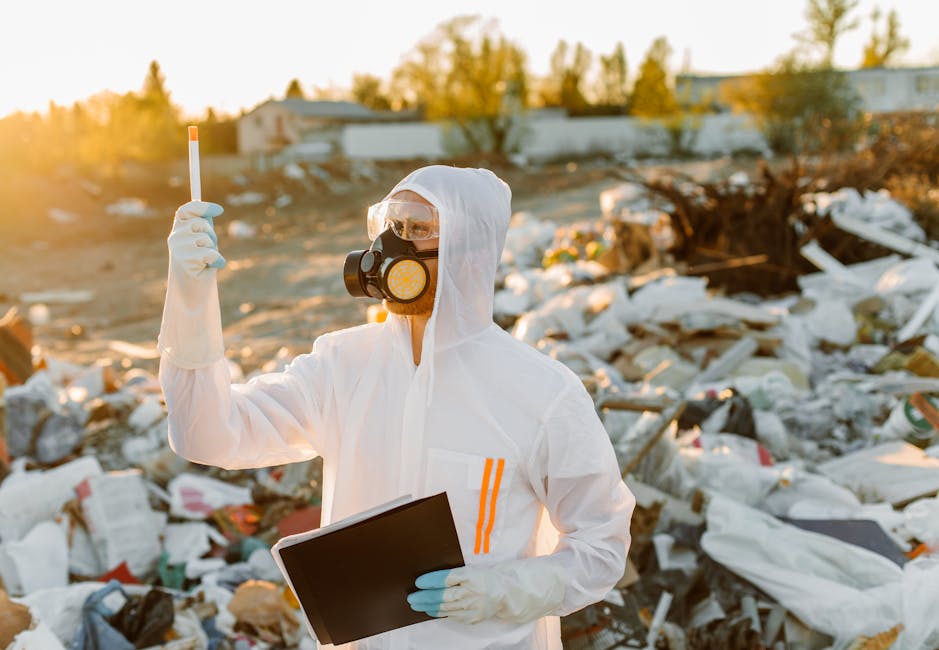
Hazardous waste disposal rules after carpet cleaning Lambeth
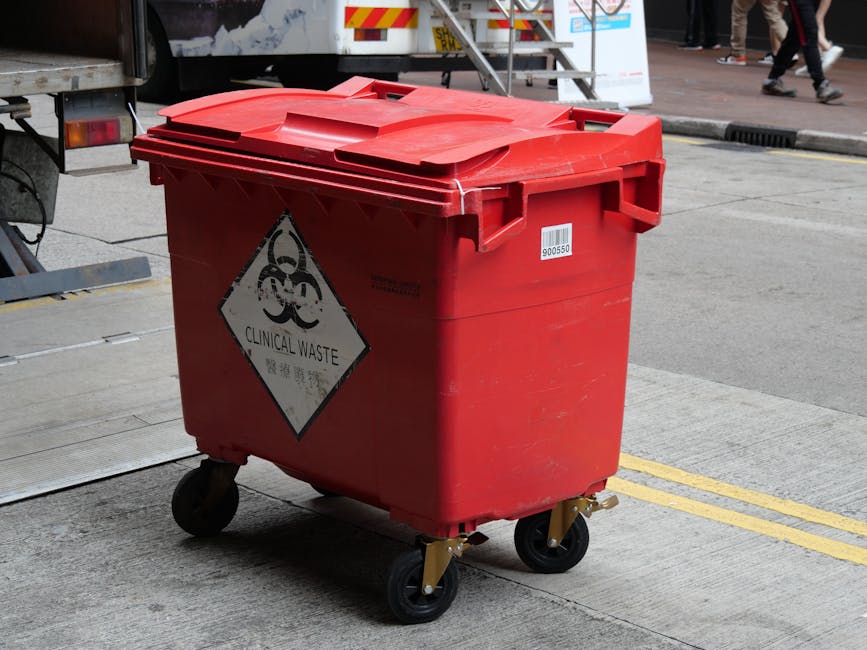
After a carpet clean, the room can look fresh in minutes, but the leftover waste is where people often get caught out. Dirty rinse water, chemical residue, used cloths, worn pads, and the occasional solvent-based stain treatment do not always belong in the same bin. If you are dealing with Hazardous waste disposal rules after carpet cleaning Lambeth, the safest approach is to treat the waste carefully from the moment the job ends, especially in homes, flats, offices, and rental properties around Lambeth where shared drainage, tight access, and landlord expectations can make a simple mistake more awkward than it needs to be.
This guide explains what counts as hazardous waste, how disposal should work in practical terms, what to avoid, and how to stay on the right side of UK best practice without overcomplicating the process. You will also find a checklist, a comparison table, and a few real-world examples, because let's face it, nobody needs vague advice when there is a wet bucket of cleaning waste sitting by the hallway.
- Why hazardous waste disposal matters
- How disposal works after carpet cleaning
- Benefits of handling waste properly
- Who needs this guidance
- Step-by-step disposal guidance
- Expert tips for better results
- Common mistakes to avoid
- Tools, resources and recommendations
- Law, compliance and best practice
- Options and comparison table
- Case study example
- Practical checklist
- Frequently asked questions
Why Hazardous waste disposal rules after carpet cleaning Lambeth Matters
Carpet cleaning waste is not always "just dirty water". Depending on the products used, it can contain detergents, oxidising agents, solvents, enzymes, deodorisers, stain removers, or biological contamination. In most routine domestic cleans, the waste is low-risk and can often be managed through normal cleaning waste procedures. But once you introduce stronger chemicals, contamination from mould, bodily fluids, pest infestation, or a property with special hygiene concerns, you may have a waste-handling issue rather than a simple housekeeping chore.
That distinction matters. Improper disposal can cause blocked drains, chemical reactions, unpleasant odours, skin irritation, and unnecessary environmental harm. In shared buildings around Lambeth, it can also create friction with neighbours or building managers if waste is poured where it should not be. A one-off mistake can turn a tidy clean into a complaint, which is never fun, especially on a Friday afternoon when the mop is already in the car.
If you are booking professional help, it is worth checking a company's broader approach to safety and sustainability. Pages like health and safety policy and recycling and sustainability can help you understand how a business thinks about waste, risk, and responsible cleaning beyond the visible results.
How Hazardous waste disposal rules after carpet cleaning Lambeth Works
The basic idea is simple: identify the waste, separate it if needed, contain it safely, and dispose of it through the correct route. In practice, the steps vary depending on what came out of the carpet, what product was used, and where the clean took place.
Most carpet-cleaning jobs generate a mix of wastewater and disposable items. Wastewater may contain suspended dirt, cleaning agents, and residues pulled from the fibres. Used towels, vacuum filters, spotting cloths, disposable gloves, and absorbent pads may all need separate handling. If the cleaner used a stronger stain treatment, a solvent, or a specialist antimicrobial product, that can change the risk profile.
A sensible rule is this: if you would not want it going straight into an ordinary sink, or if you are unsure what the product label allows, slow down and check before disposal. It is much easier to pause for two minutes than to deal with a damaged drain, a rash, or a complaint later.
For larger or more complex jobs, the approach can shift from domestic waste handling to controlled collection and disposal. That is more common in commercial settings, end-of-tenancy cleans, or after incidents involving contamination. Services such as deep cleaning and end-of-tenancy cleaning are often the contexts where waste separation and careful clean-down matter most, because the property condition is usually more demanding and the time pressure is real.
Key Benefits and Practical Advantages
Handling waste properly is not just about avoiding trouble. It makes the whole cleaning process calmer, cleaner, and more professional.
- Reduced environmental impact: Less chemical residue entering drains or general waste streams.
- Lower risk of odours and staining: Proper containment helps prevent waste from seeping into bins, carpets, or vehicles.
- Better hygiene: Contaminated cloths and pads are less likely to spread germs across the property.
- Cleaner compliance posture: If you manage rentals, offices, or shared spaces, good waste practice supports your duty of care.
- Fewer operational headaches: No chasing after a blocked sink, no wondering where the smelly bag ended up.
There is also a reputational benefit. If you are a landlord, facilities manager, or homeowner using a professional service, responsible waste handling makes the job feel finished properly. It is the kind of detail people notice without always realising it. The room smells fresher, the bin area is tidier, and nobody is left second-guessing what happened to the dirty water.
Who This Is For and When It Makes Sense
This guidance is useful for several kinds of readers. Some are dealing with one small domestic job. Others are managing repeated cleans or a property that has a few more complications than usual.
- Homeowners and tenants: Useful after a spill, a pet accident, or a routine refresh where specialist spot cleaning was needed.
- Landlords and letting agents: Important for end-of-tenancy situations, especially if the carpet was heavily soiled.
- Office managers: Relevant when cleaning shared workspace carpets, reception areas, or meeting rooms.
- Cleaning businesses: Essential for maintaining safe disposal habits and keeping staff practices consistent.
- Property managers: Helpful when coordinating multiple contractors and waste streams across different buildings.
It also makes sense when the clean involved something more than ordinary shampooing. For example, a coffee spill on a lounge carpet is not the same as a flood-damaged hallway with mould risk. Nor is a quick domestic freshen-up the same as a job after building work, where fine dust, adhesive traces, and general debris can change what needs separating. If that sounds familiar, the related after builders cleaning page may be useful context.
Step-by-Step Guidance
Here is a practical way to deal with post-cleaning waste without making it more complicated than it needs to be.
- Identify what waste you actually have. Dirty rinse water? Used towels? Chemical bottles? A single disposable pad? Start with the basics.
- Check the product label or safety guidance. Some cleaners can go through normal waste routes, but stronger products may have specific disposal instructions.
- Separate liquid waste from solid waste. Never bundle everything together if you can avoid it. Wet waste in a sealed bag is asking for trouble.
- Contain contaminated items. Use a strong liner or dedicated container for pads, cloths, gloves, and absorbent material.
- Avoid improvised drainage. Do not pour unknown chemicals into a drain just because it is convenient. That shortcut can backfire quickly.
- Label or note anything unusual. If multiple people are handling the waste, a simple note saves confusion later.
- Dispose of the waste through the correct route. For routine non-hazardous waste, follow normal household or business waste procedures. For hazardous or contaminated waste, use the appropriate controlled route.
- Clean the tools afterwards. Buckets, hoses, and nozzles should be rinsed and dried so residue does not linger.
If you are unsure at step two or three, stop there. Truth be told, most disposal mistakes happen because someone pushes on with "it'll probably be fine". Probably is not a great waste strategy.
Expert Tips for Better Results
Small habits make a big difference here. The professionals who avoid mess, smells, and disposal issues are usually the ones who keep their process tidy from the start.
- Use the least aggressive product that will do the job. Stronger is not always better. It often means more residue to manage.
- Keep a dedicated waste kit. Strong bags, gloves, absorbent pads, and spare cloths help prevent rushed decisions.
- Ventilate early. Open windows where practical. A room that airs out properly is easier to manage and smells less "chemical".
- Watch for cross-contamination. A cloth used on a treated carpet should not end up wiping a kitchen surface. Sounds obvious, but it happens.
- Record odd cases. If a room had mould, sewage backflow, or bodily fluid contamination, make a note before disposal. That helps if anyone questions the handling later.
- Ask about waste practice before booking a service. A reliable cleaning company should be able to explain how they handle waste and safety without making a song and dance about it.
For people comparing providers, practical trust markers matter. A company that is clear about insurance and safety and transparent about pricing and quotes usually feels easier to work with. Not because the price itself tells the whole story, but because the way they talk about the job often reveals how carefully they work.
Common Mistakes to Avoid
Most problems around carpet-cleaning waste are avoidable. The same few errors keep showing up.
- Pouring unknown liquids down a sink or toilet. If you do not know what is in it, do not treat it casually.
- Mixing different chemicals together. Some combinations can react badly. That is not a drama you want in a utility room.
- Leaving wet waste in a warm bin. This creates smell, leakage, and sometimes mould.
- Assuming all carpet-cleaning waste is harmless. It often is low risk, but not always. Context matters.
- Using domestic waste bags for contaminated materials. Thin bags split. Then everything becomes someone else's problem.
- Ignoring local building rules. In flats and managed properties, communal bins and drainage systems may have extra restrictions.
- Not checking tenant or landlord expectations. End-of-tenancy work can be sensitive. The wrong disposal choice can look sloppy even if the carpet itself was cleaned well.
A quick example: a small bedroom clean might leave you with a bucket of dirty water and a couple of cloths. Fine. But if that bedroom had pet contamination and you used a strong odour neutraliser, the waste should be treated with more care. Same room, different risk. That is the bit people miss.
Tools, Resources and Recommendations
You do not need a warehouse full of gear to manage waste well. A modest, well-chosen set of tools is usually enough for routine work.
| Item | Why it helps | Best for |
|---|---|---|
| Heavy-duty bin liners | Reduce leaks and split bags | Cloths, pads, gloves |
| Sealable buckets or containers | Keep liquid waste contained during transport | Rinse water and sludge |
| Nitrile gloves | Protect hands from residue and contamination | All cleaning jobs |
| Absorbent pads | Soak up small spills before they spread | Spot treatment areas |
| Microfibre cloths | Reusable, but must be washed properly afterwards | General cleaning support |
| Ventilated storage area | Reduces smells and moisture build-up | Temporary waste holding |
For businesses, it is sensible to pair these tools with a written waste routine. The details do not need to be fancy. A short process sheet is enough. If you run multiple properties, a consistent approach saves time and reduces stress for staff. For broader operational standards, the company's terms and conditions and about us pages can also help set expectations around how the service is delivered.
Law, Compliance, Standards, or Best Practice
This is the part where people sometimes want a neat, one-line rule. In reality, waste duties in the UK depend on the type of waste, who generated it, and whether it is genuinely hazardous or simply dirty. For carpet cleaning, that means the label on the product, the contamination involved, and the setting all matter.
As a general best-practice approach in England, you should:
- separate hazardous from non-hazardous waste where practical,
- store waste safely so it does not leak or spread contamination,
- use the disposal route appropriate to the waste type,
- avoid putting harmful liquids into drainage systems without checking suitability,
- keep a record if the waste handling is part of a business process.
For residents in Lambeth, local collection expectations may differ depending on the type of waste and the property setup. Shared bins, communal entrances, and managed estates can create extra rules even when the cleaning itself is straightforward. If you are dealing with a property clearance after a move or a very heavy clean-out, the broader house clearance page is a useful reminder that waste handling can shift from simple domestic disposal to something more structured.
Best practice is not about being overly cautious for the sake of it. It is about matching the disposal method to the real risk. That is the whole game, really.
Options, Methods, or Comparison Table
Different waste streams call for different handling. Here is a simple comparison that helps separate routine from higher-risk disposal.
| Waste type | Typical risk level | Usual handling approach |
|---|---|---|
| Ordinary dirty rinse water | Low to moderate | Handle carefully, follow local disposal rules, avoid overuse of chemicals |
| Used cloths and pads with normal detergent residue | Low | Bag securely and dispose with general waste if allowed |
| Items contaminated by mould, bodily fluids, or pest-related soil | Higher | Separate, contain, and use a more controlled disposal route |
| Leftover solvent-based stain removers | Potentially hazardous | Follow product guidance and do not mix with other waste streams |
| Empty chemical containers | Variable | Rinse or dispose according to the label and local guidance |
If you are cleaning rugs, sofas, or upholstery as well, the waste profile can become more mixed because fabrics hold onto odours and residues differently. In those cases, the related pages for rug cleaning and upholstery cleaning are helpful for understanding how different materials respond during cleaning and aftercare.
Case Study or Real-World Example
Imagine a first-floor flat in Lambeth after a long tenancy. The carpet has a coffee stain in the living room, a pet odour issue in the hallway, and a patch of damp staining near the skirting. Nothing dramatic on its own, but together it changes the disposal picture.
The cleaner finishes the job with a small amount of rinse water, several disposable pads, a couple of heavily soiled cloths, and one bottle of specialist odour treatment. The coffee and general dirt are routine. The odour issue is where judgment matters. Because there is possible biological contamination, the used materials are kept separate from ordinary dry waste, sealed securely, and not mixed with general household rubbish straight away.
The result is simple but important: the flat is left fresh, the waste is contained, and the occupants do not have to wonder what was tipped where. No drama. No mess in the hallway. No "who put that bag there?" conversation with the building manager. Honestly, that little bit of order makes the whole job feel more professional.
Practical Checklist
Use this quick checklist after a carpet clean if there is any chance the waste needs special handling.
- Identify all waste created during the job.
- Separate liquid waste from solid waste.
- Check the product label for disposal guidance.
- Keep contaminated cloths and pads apart from general rubbish.
- Use strong, sealed liners or containers.
- Avoid pouring unknown liquids into drains.
- Rinse tools only where it is appropriate to do so.
- Ventilate the area if chemical odours remain.
- Record anything unusual, such as mould or biological contamination.
- Dispose of waste through the correct route for the material type.
Quick summary: if the waste is plain, dry, and non-contaminated, disposal is usually simple. If it is wet, chemical-heavy, or contaminated, treat it as a separate decision, not an afterthought.
Conclusion
Hazardous waste disposal rules after carpet cleaning in Lambeth are less about memorising a single rule and more about using good judgment. Separate what needs separating. Read the product guidance. Keep wet or contaminated waste contained. And if something looks borderline, slow down before you dump it into a bin or sink that was never meant for it.
That approach protects your property, keeps the clean looking professional, and avoids the kind of small avoidable problems that can turn a tidy afternoon into a tedious cleanup. If you are booking a service, choose a provider that treats waste, safety, and aftercare as part of the job, not an optional extra. It really does make a difference in the end.
Get a free quote today and see how much you can save.
Frequently Asked Questions
What counts as hazardous waste after carpet cleaning?
It usually includes waste that contains stronger cleaning chemicals, contaminated cloths or pads, biological contamination, or materials that cannot safely go into ordinary waste streams. Routine dirty water is not always hazardous, but it still needs sensible handling.
Can I pour carpet cleaning water down the drain?
Sometimes, but not always. It depends on the product used and what the water contains. If it includes harsh chemicals, heavy contamination, or solvent-based residue, check the label and err on the cautious side.
Do used cloths and pads need special disposal?
If they only have normal detergent residue, they may go with general waste depending on the situation. If they are contaminated with mould, bodily fluids, or stronger chemicals, they should be bagged and handled separately.
What should I do with leftover carpet cleaning chemicals?
Follow the product instructions first. Some can be stored safely for later use, while others need specific disposal. Never mix leftover products together just to clear space on a shelf.
Is carpet cleaning waste different in a rental property?
It can be. End-of-tenancy work often involves stricter expectations, more wear and tear, and sometimes more contamination. Landlords and agents may also care more about whether waste was disposed of neatly and responsibly.
How do I know if a stain remover is hazardous?
Check the label and safety guidance. If it is solvent-based, strongly reactive, or marked with serious hazard warnings, treat it carefully. If you are unsure, do not guess.
Can I reuse rinse water from carpet cleaning?
Not usually. Rinse water picks up dirt, residue, and sometimes contaminants from the carpet. Reusing it is generally not a good idea, even if it looks only slightly murky.
What if the carpet had mould or pet contamination?
That is a higher-care situation. Keep waste separate, use gloves, contain materials securely, and avoid casual disposal. The goal is to prevent spread, not just to make the bag disappear.
Do professional cleaners handle this differently from homeowners?
Yes, they usually should. A professional cleaner is expected to use a clear waste process, proper containment, and safe handling practices. That is one reason people look for a reliable cleaning company rather than tackling every job alone.
What is the safest thing to do if I am unsure?
Separate the waste, keep it contained, and check the product or service guidance before disposal. If the waste is contaminated or chemical-heavy, treat caution as the default. It saves a lot of hassle.
Does carpet cleaning waste affect indoor air quality?
It can, especially if waste is left wet in a warm room or if strong cleaning chemicals were used without enough ventilation. Airing the room and removing waste promptly helps a lot.
Where can I get more help with cleaning-related waste concerns?
Start with the cleaner's own policies on safety and disposal. If you want to understand a provider's approach before booking, their privacy policy, complaints procedure, and service pages often give a good sense of how professionally they operate. And if the job is broader than carpets alone, domestic cleaning or one-off cleaning may be the more suitable route.
In a busy place like Lambeth, good waste habits quietly do their job in the background. You may never think about them again, which is kind of the point.